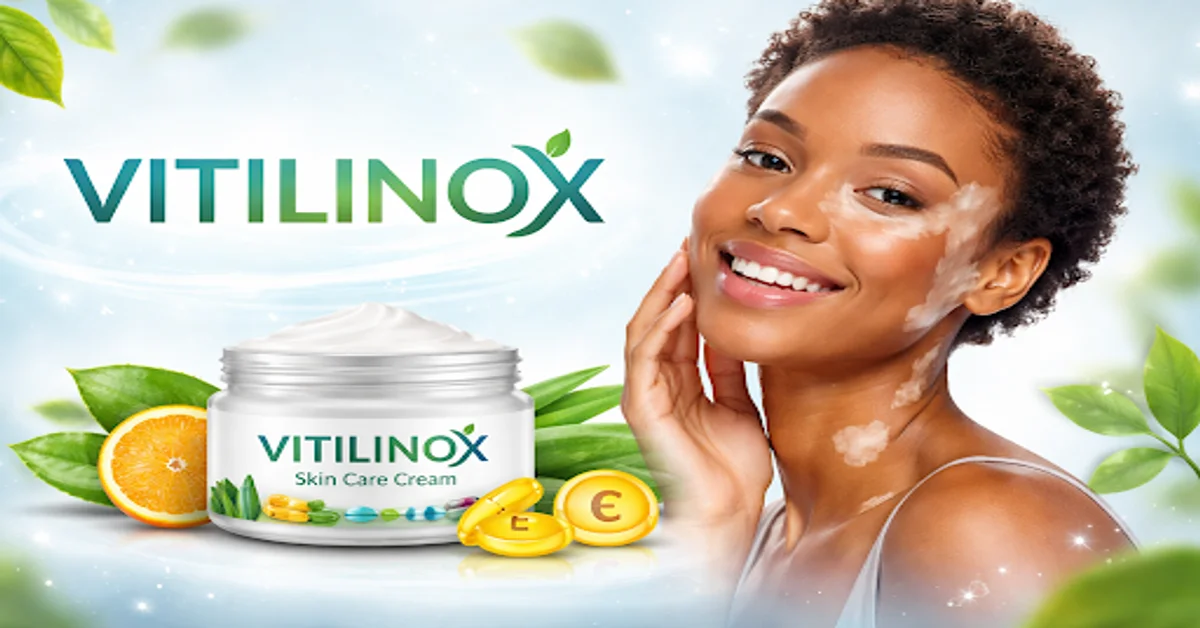
Vitilinox: Skin Pigmentation Support and Benefits Explained
Vitilinox is best treated as a branded term that appears in vitiligo-related skincare discussions. Some online pages describe it as a topical cream or a support product for pigmentation, but the stronger medical conversation is still centered on dermatology-backed vitiligo care. That is useful because it keeps expectations healthy and realistic.
Why is Vitilinox gaining attention? Because people dealing with pigment loss want solutions that feel gentle, modern, and hopeful. Skin tone changes can affect confidence, and any product that promises skin tone restoration naturally attracts interest. The smartest response is not hype; it is careful evaluation of vitilinox benefits, vitilinox ingredients, and whether the approach aligns with evidence-based dermatological solutions.
Related: Koriandri: Health Benefits and Culinary Uses
Vitilinox Meaning and Concept
The vitilinox meaning is straightforward at the brand level: it is a coined name associated with pigmentation support and vitiligo-related skincare content online. Because the term is not a standard medical word, its meaning depends on the context in which it appears. In search results and marketing pages, it is usually presented as a skin-care solution rather than a diagnosis or disease name.
Is Vitilinox a product, concept, or treatment? It can be described as a product name in some places, but the deeper concept is broader: skin tone support, melanin-focused care, and emotional confidence. For readers, that matters because a good vitilinox review should not only ask whether a cream sounds promising, but also whether the claims are realistic, safe, and supported by dermatology.
Understanding Skin Pigmentation and Vitiligo
What is vitiligo? It is a long-term vitiligo skin condition that causes areas of the skin to lose pigment and appear lighter or white. Major medical sources explain that this happens when melanocytes stop working properly or are attacked by the immune system. Vitiligo can affect any skin type, is not contagious, and may have a strong emotional impact, especially when visible areas are involved.
Causes of skin depigmentation are not always simple. Genetic factors, autoimmune activity, oxidative stress, and possible triggers such as sunburn, stress, or skin trauma all appear in the medical discussion. Melanin is the pigment that gives skin, hair, and eyes their color, so melanin loss treatment is really about helping pigment-producing cells recover or protecting them from further damage.
People living with pigmentation disorders often face more than a visual change. They may deal with social discomfort, self-consciousness, and the stress of not knowing whether patches will spread or stabilize. Public health guidance also recognizes that vitiligo can cause meaningful psychosocial distress, which is one reason modern care often combines medical treatment with emotional support.
How Vitilinox Works
The science behind Vitilinox, as presented in online skincare discussions, usually centers on nourishment, protection, and pigmentation support. That concept fits well with what dermatology knows about vitiligo care in general: reducing inflammation, calming immune activity where possible, and supporting melanocyte function are all common goals in pigment-restoration strategies.
The role of antioxidants and nutrients matters because oxidative stress is strongly linked to vitiligo biology. Antioxidants are often discussed as part of supportive care because they help defend cells from free-radical damage. Vitamin C and Vitamin E are classic antioxidant examples, and while they are not proven cures for vitiligo, they are biologically relevant to skin health and oxidative balance.
How might vitilinox support melanin production? The best cautious answer is that any pigmentation-support product should aim to protect melanocytes and support the skin environment in which melanin is made. That does not guarantee repigmentation, but it explains why people use the phrase vitilinox pigmentation solution when talking about gentle support rather than aggressive treatment.
Key Ingredients in Vitilinox
Vitamin C is often valued in skincare because it acts as an antioxidant and helps defend skin against oxidative damage. In a pigmentation-focused formula, it may be included for general skin support, brightness, and barrier health. That said, skincare ingredients should be judged by what they actually do in a real formula, not by a headline promise.
Vitamin E is another common ingredient in skin care because it supports lipid protection and works alongside other antioxidants. For people focused on skin tone restoration, that can sound encouraging, but the real value comes from a balanced formula and sensible expectations. Ingredients can support healthy skin; they do not replace a dermatologist’s plan for vitiligo.
Natural extracts and antioxidants are frequently promoted in products that use names like Vitilinox cream. The appeal is easy to understand: people want gentler dermatological solutions with low irritation. Still, “natural” does not automatically mean safe for every skin type, and formulation quality matters just as much as the ingredient list.
Benefits of Vitilinox
The main vitilinox benefits, as framed in skincare language, are usually about helping the skin look more balanced and cared for. For someone dealing with skin discoloration causes or patchy tone, even a modest improvement in comfort and appearance can feel meaningful. That is why skincare is not only cosmetic; it can also support confidence.
A non-invasive skincare approach is another reason people search for vitilinox uses. Many users prefer creams and routines before considering stronger medical interventions. That preference is understandable, especially since current vitiligo management often begins with topical therapies and careful monitoring rather than drastic steps.
Confidence and emotional well-being are real benefits to talk about. Even when the visible change is slow, a thoughtful routine can create a sense of control. In a condition that often feels unpredictable, that sense of progress can be powerful.
Vitilinox for Vitiligo: What You Should Know
Can vitilinox help vitiligo? A careful answer is: it may be positioned as supportive skincare, but it should not be assumed to be a proven standalone cure. Evidence-based vitiligo treatment still centers on dermatologist-guided options such as topical corticosteroids, calcineurin inhibitors, and, in some cases, ruxolitinib cream. Recent consensus guidance also emphasizes repigmentation or stabilizing progression rather than depigmentation.
Comparison with traditional treatments is important because expectations must stay realistic. Medical options are supported by stronger clinical guidance, while branded products like Vitilinox should be evaluated with more caution. If a product is used, it should be seen as part of a broader plan, not a replacement for treatment that a dermatologist has recommended.
Dermatologist perspectives generally focus on stability, safety, and adherence. That means a good plan is one a person can follow consistently without irritating the skin or creating false hope. Realistic expectations are not negative; they are what make progress sustainable.
How to Use Vitilinox Effectively
If a person chooses to try a Vitilinox cream or similar topical product, the safest approach is simple: patch test first, apply exactly as directed, and pair it with a broader skincare routine. Clean, dry skin and steady use usually matter more than aggressive application.
A recommended skincare routine should always include gentle cleansing, moisturizing, and sun protection. Sun care is especially important because vitiligo-affected skin can burn more easily, and the color difference can become more noticeable after strong UV exposure. Daily consistency is more useful than occasional intense use.
Dos and don’ts are practical. Monitor redness, stinging, or dryness. Do ask a professional before combining products. Do stop if irritation appears. Don’t assume faster use means better results. And don’t use any vitiligo treatment as a substitute for medical advice if patches are spreading quickly.
Vitilinox Results: Before and After Expectations
Before and after expectations should be calm, not dramatic. In vitiligo care, repigmentation often takes time, and results vary by body area, disease activity, and treatment type. The face usually responds better than hands and feet, and some treatments are assessed after months, not days.
Factors affecting effectiveness include consistency, lesion location, disease stability, and whether the product is being used alongside evidence-based care. A good vitilinox review should therefore discuss not only what changed, but also how long it took, what else the person was using, and whether a dermatologist was involved.
Consistency and patience are the real secrets. Skin tone restoration is often gradual. That may feel slow, but slow progress can still be meaningful progress, especially when the goal is long-term skin confidence.
Vitilinox Reviews and User Experiences
Common user feedback around products like Vitilinox usually falls into three groups: hope for improvement, appreciation for a gentle feel, and frustration when results are slower than expected. That mix is normal for pigmentation support products because the condition itself is complex.
Pros and cons should be judged honestly. A positive review may mention comfort, simple use, or a sense of control. A negative review may mention limited change, slow timelines, or uncertainty about whether the cream alone is enough. Both can be true at once.
What users like and dislike often comes down to expectations. If someone expects instant pigment return, disappointment is likely. If someone sees the product as a supportive part of a larger dermatology plan, the experience is often more balanced and realistic.
Is Vitilinox Safe?
Is Vitilinox safe? Safety depends on the exact formula, the user’s skin type, and whether the product irritates. In general, any topical product can trigger sensitivity, especially on already delicate or inflamed skin. That is why a patch test and medical caution are wise.
Skin type suitability matters because vitiligo can coexist with dryness, irritation, or sensitivity to other products. A person with darker skin may also be more affected by contrast and thus more sensitive to visible changes, so gentle, non-irritating care is valuable.
When to consult a professional is easy to remember: if patches are spreading, if a product burns or worsens dryness, or if you are unsure whether the condition is vitiligo or another depigmentation disorder. Professional guidance is the safest way to separate cosmetic goals from medical needs.
Vitilinox vs Other Skin Treatments
Natural remedies vs clinical treatments is one of the biggest questions in this space. Natural or plant-based products may feel gentler, but clinical treatments have the advantage of stronger evidence. That is why dermatology continues to rely on topical steroids, calcineurin inhibitors, and newer targeted therapies when appropriate.
Creams, therapies, and alternatives each serve different goals. Creams may support day-to-day skin care, therapies may actively target pigment recovery, and alternatives may focus on camouflage or emotional comfort. A smart plan often combines more than one approach rather than depending on one “miracle” option.
Advantages and limitations should be weighed honestly. A branded product may be easy to use and emotionally reassuring, while medical treatment may offer better evidence and monitoring. The best choice is not the loudest one; it is the one that fits the person, the skin, and the science.
Where to Buy Vitilinox
Where to buy Vitilinox depends on whether the brand is being sold online, through specialty channels, or in local markets. Because product pages can vary widely, buyers should look carefully at labeling, ingredients, batch details, and return policies before paying.
How to identify authentic products is essential. Check whether the seller provides a clear ingredient list, manufacturer details, contact information, and realistic claims. Good skincare brands are transparent. Overblown promises are usually a warning sign.
Pricing overview should be treated with caution unless it comes from a verified seller. A high price does not prove quality, and a low price does not guarantee danger. The best purchase decision is the one supported by trust, not by pressure.
Common Myths About Vitilinox
One myth is that any pigmentation cream can permanently reverse vitiligo. That is not how vitiligo works. The condition involves melanocytes, immune activity, and sometimes oxidative stress, so no single product should be treated as an automatic cure.
Another myth is that “natural” always means “safe” or “effective.” In reality, ingredients still need to be judged by their formulation, skin tolerance, and evidence. A gentle product may help comfort, but it still needs honest expectations.
A final myth is that visible improvement must happen fast. Some vitiligo treatments are measured over months, and current guidance increasingly emphasizes patience, monitoring, and steady routines. Good skin care is a marathon, not a sprint.
Lifestyle Tips to Support Skin Health
Diet and nutrition for pigmentation matter because the skin is part of the whole body. While no food alone cures vitiligo, a balanced diet that supports general health can help the skin function better and may fit into a broader treatment plan. Antioxidant-rich nutrition is often discussed because oxidative stress is part of the vitiligo conversation.
Skincare habits should stay simple and gentle. Use mild cleansers, moisturize regularly, and protect the skin from excess sun. When skin is already under stress, fewer harsh products usually mean better comfort.
Stress management and skin health belong together. Stress does not “cause” every patch, but it can affect how people experience chronic skin conditions. Small routines, sleep, movement, and support can all help make the journey easier.
Related: Blazertje: The Little Jacket Revolutionizing Modern Style
Frequently Asked Questions
What is Vitilinox used for?
Vitilinox is generally discussed as a skincare term connected with vitiligo and pigmentation support. In online use, it is often described as a product or cream aimed at helping skin look more balanced, but it should be evaluated alongside established dermatology advice.
Is Vitilinox permanent?
No topical product should be assumed permanent without strong clinical evidence. Vitiligo itself is often chronic, and medical sources note that white patches are usually permanent, though treatments may reduce their appearance or help restore pigment.
How long does it take to work?
That depends on the person, the patch location, and the treatment plan. Current vitiligo guidance often measures response over months rather than weeks, so patience is part of the process.
Can it be used daily?
Many skincare products are designed for regular use, but daily use should follow the label and a dermatologist’s guidance, especially if the skin is sensitive or already irritated. Patch testing is always wise.
Summary
Vitilinox sits at the intersection of curiosity, skincare, and the deeply personal experience of skin pigmentation change. For some people, it may represent hope. For others, it may be simply one more product to compare against proven dermatological solutions. Either way, the best approach is grounded, informed, and calm.
Who should consider Vitilinox? Anyone who wants a gentle skincare conversation about vitiligo support may look at it, but the strongest path is still to combine any cosmetic product with medical guidance, honest expectations, and a focus on skin health rather than quick promises. That is how confidence grows for the long term.
Future potential and awareness matter because the science of vitiligo is still advancing. Newer treatments and better guidance show that the field is moving forward, and that is encouraging. If Vitilinox becomes part of that conversation, it should do so with transparency, evidence, and respect for people living with vitiligo and other pigmentation disorders.
In summary: Vitilinox is best understood as a branded skincare term tied to pigmentation support, while vitiligo itself is a real autoimmune skin condition involving melanocytes, melanin loss, and often oxidative stress. The safest, smartest path is to use trusted dermatology guidance, choose products carefully, and keep expectations realistic yet hopeful.