Asbestlint: History, Risks, and Safe Industrial Use
Asbestlint is a term rooted in European industrial history, particularly in German-speaking regions. It refers to asbestos-based tape or ribbon materials that were widely used for industrial insulation, fire protection, and sealing applications. Over the decades, it became a trusted solution in power plants, factories, and construction projects due to its durability, heat resistance, and versatility.
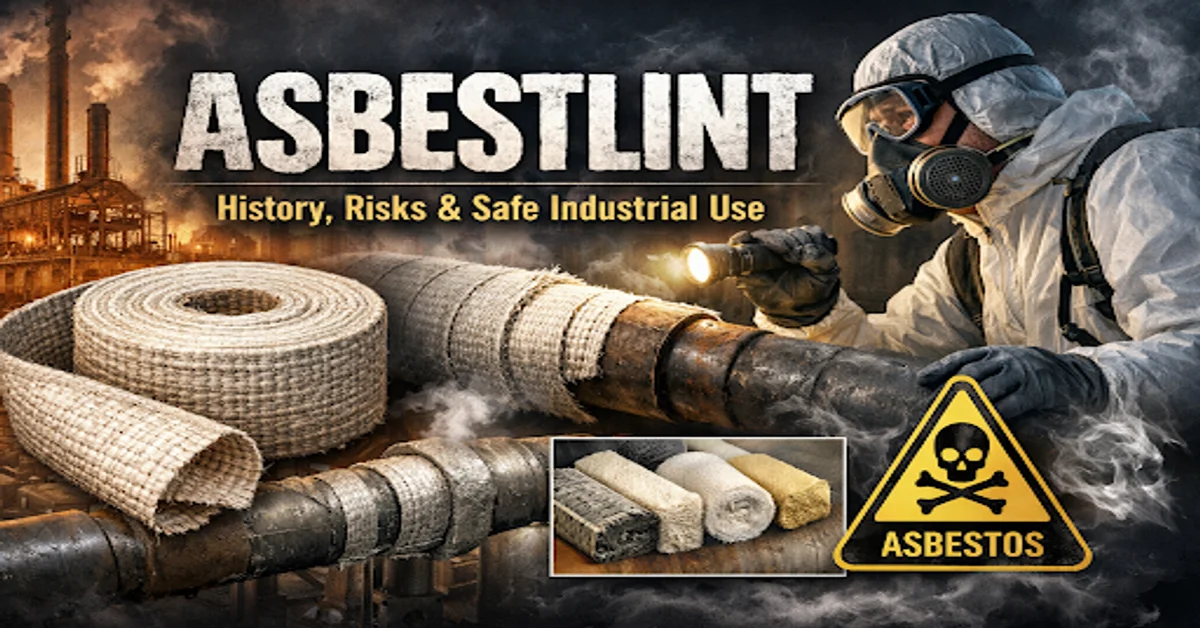
Asbestlint is essentially a woven asbestos tape, designed to provide thermal insulation and fire protection. It often appears as a flexible strip of material that can be wrapped around pipes, boilers, or machinery. Its fibrous texture and durability made it ideal for harsh industrial conditions where heat resistance and chemical stability were paramount.
This material falls under asbestos-containing materials (ACMs), meaning it releases fibers if disturbed, posing health risks. Although its industrial performance was exceptional, the hidden dangers of friable asbestos fibers became evident only decades later.
The word “Asbestlint” combines “asbest” (asbestos) with “lint”, referring to the fibrous strip-like nature of the material. It reflects its form and function as a flexible, woven insulation tape. This design allowed the tape to conform to irregular surfaces, making it suitable for industrial piping, valves, and machinery.
Asbestlint is no longer used in modern industrial applications due to its asbestos-related health risks. However, its legacy remains critical for industrial safety education and asbestos legacy management. Many older buildings, factories, and power plants still contain Asbestlint, making proper awareness, detection, and removal vital to prevent asbestos exposure.
History of Asbestlint in Industry
Emergence in European Industrial Settings
Asbestlint gained prominence during the industrial expansion of the 20th century. In German-speaking regions, it was celebrated for insulating high-temperature equipment and protecting industrial facilities from fire. Its ability to handle extreme working conditions made it a standard solution in demanding industries.
The adoption of Asbestlint coincided with growing industrialization, where factories required reliable materials for energy efficiency and machinery protection. At the time, asbestos safety awareness was minimal, and its performance overshadowed potential health hazards.
Role in Power Plants, Factories, and Shipbuilding
Asbestlint was widely used in power generation facilities, manufacturing plants, and shipbuilding. It insulated boilers, pipes, and exhaust systems, reducing heat loss and protecting workers from burns. In shipyards, it protected engine components from heat and fire, ensuring operational safety.
This widespread adoption made Asbestlint an integral part of industrial insulation technology history, representing a critical step in the evolution of safety materials.
Symbol of Technological Progress and Safety
Initially, Asbestlint symbolized technological advancement and industrial safety. Engineers trusted it to protect machinery and personnel from high temperatures and fire hazards. Its combination of durability, flexibility, and chemical resistance reinforced its reputation as a powerful material.
Industrial Uses of Asbestlint
Thermal Insulation Applications
One of Asbestlint’s primary uses was thermal insulation. Wrapped around pipes, boilers, and industrial equipment, it maintained heat efficiency and prevented energy loss. Its resilience to high temperatures allowed it to function in extreme environments where other materials would degrade.
Fire Protection and Safety Measures
Asbestlint provided fire-resistant insulation, reducing the spread of heat and minimizing fire hazards. It was commonly used around furnaces, hot exhausts, and steam pipes, safeguarding both equipment and workers. Its properties made it a key component of fire safety planning in industrial facilities.
Sealing, Lagging, and Pipe Wrapping
The fibrous structure of Asbestlint enabled effective sealing of joints and gaps, preventing leaks in systems carrying hot fluids or steam. It also functioned as insulation textile lagging, adapting to irregular machinery surfaces while maintaining structural integrity. This versatility contributed to its widespread adoption.
Performance Under Chemical Exposure
Asbestlint maintained structural stability even when exposed to chemicals, oils, and industrial gases. This resistance to chemical degradation reinforced its image as a reliable, long-lasting material, making it a preferred choice for industrial asbestos products.
Properties that Made Asbestlint Powerful
Durability and Heat Resistance
Asbestlint’s strength stemmed from asbestos fibers, which are highly resistant to heat, friction, and chemical wear. It could withstand years of use in high-temperature industrial environments without losing effectiveness, reducing maintenance costs.
Flexibility and Adaptability in Complex Systems
Unlike rigid insulation boards, Asbestlint could be wrapped, folded, and shaped to fit pipes, valves, and machinery of various sizes. This adaptability allowed engineers to apply it in complex industrial systems, ensuring consistent protection.
Longevity and Maintenance Benefits
The combination of flexibility, heat resistance, and chemical stability allowed Asbestlint to last for decades with minimal replacement. Its performance reduced downtime and maintenance expenses, solidifying its reputation as a powerful industrial material.
Health and Safety Concerns
Risks of Airborne Asbestos Fibers
Disturbing Asbestos can release airborne asbestos fibers into the environment. These friable asbestos fibers are invisible and can be inhaled, posing significant long-term health risks.
Long-Term Health Effects: Asbestosis, Mesothelioma, Lung Cancer
Inhalation of asbestos fibers is linked to serious respiratory diseases:
- Asbestosis: Chronic lung scarring
- Mesothelioma: Rare, aggressive cancer of the lung lining
- Lung cancer: Increased risk for long-term exposure
High-Risk Activities: Installation, Maintenance, Removal
Workers involved in installation, maintenance, or removal are most at risk. Cutting or tearing Asbestlint releases fibers into the air, emphasizing the need for asbestos exposure prevention and strict adherence to health and safety standards for asbestos.
Regulations and Decline of Asbestlint
Global Asbestos Bans and Policies (EPA, OSHA, HSE, WHO)
Due to mounting evidence of health risks, organizations like the Environmental Protection Agency (EPA), Occupational Safety and Health Administration (OSHA), UK Health and Safety Executive (HSE), and World Health Organization (WHO) implemented strict regulations and bans on asbestos-containing products, including Asbestlint.
Managing Legacy Asbestlint Materials in Older Buildings
Legacy Asbestlint remains in older homes and industrial sites, requiring careful management. Certified asbestos inspectors perform asbestos testing and inspection, air quality monitoring, and hazard assessments to prevent asbestos contamination in buildings.
Industrial Transition to Safer Alternatives
Industries shifted toward modern alternatives to asbestos tape, including fiberglass, ceramic fiber, and mineral wool. These materials deliver comparable thermal insulation and fire resistance without the health hazards of asbestos.
Modern Alternatives to Asbestlint
Fiberglass Tape
Fiberglass tape provides heat resistance and flexibility, serving as a safe replacement for asbestos tape in insulation applications.
Ceramic Fiber Tape
Ceramic fiber tape withstands extreme temperatures and is ideal for industrial insulation and fireproofing without releasing hazardous fibers.
Mineral Wool and Other Heat-Resistant Materials
Mineral wool and advanced insulating materials offer long-term durability and safety, outperforming legacy Asbestlint in both performance and environmental safety.
Comparing Safety and Performance
Modern materials combine efficiency, durability, and chemical stability without the risk of airborne fibers, setting the standard for industrial insulation technology today.
Detection, Testing, and Safe Management
Professional Asbestos Inspection and Lab Testing
Certified asbestos inspectors use air quality testing services and laboratory analysis to detect and quantify asbestos fibers in ACMs, including Asbestlint.
Air Quality Monitoring for Asbestos Fibers
Monitoring airborne asbestos fibers ensures compliance with occupational safety standards and protects workers and residents in older buildings.
Safe Removal and Disposal Procedures
Specialized hazardous material management services perform asbestos removal using strict containment, ventilation control, and disposal procedures to prevent fiber release.
Lessons Learned from Asbestlint
Balancing Performance and Safety
The story of Asbestlint demonstrates that performance alone is insufficient. Safety, long-term health, and environmental impact are essential in material selection.
Importance of Continuous Research in Industrial Materials
Ongoing research ensures that industrial solutions are both efficient and safe, reducing risks from older building materials with asbestos.
Preventing Future Industrial Health Risks
Awareness and proactive safety management prevent exposure and guide the adoption of fire-resistant industrial insulation and safer modern materials.
Frequently Asked Questions
What is Asbestlint used for historically?
Asbestlint was used for insulation, fire protection, sealing, and wrapping pipes in industrial environments.
Is Asbestlint still used today?
No. Most countries have banned it due to asbestos risks, though legacy installations may still exist.
Why is Asbestlint considered dangerous?
It contains asbestos fibers that, when inhaled, can lead to asbestosis, mesothelioma, and lung cancer.
What should be done if Asbestlint is found in old buildings?
Do not disturb it. Hire a certified asbestos inspector for safe management or removal.
What materials replaced Asbestlint?
Fiberglass tape, ceramic fiber tape, and mineral wool now provide safe, heat-resistant insulation.
Summary
Asbestlint represents both ingenuity and caution in industrial history. While it excelled in performance and durability, its health risks transformed it into a case study in responsible material management.
Understanding Asbestlint emphasizes the need for asbestos legacy management, safe removal procedures, and regulatory compliance. Awareness prevents exposure and promotes safer industrial practices.
Modern insulation technologies, such as fiberglass and ceramic fiber tapes, combine heat resistance, durability, and safety, proving that innovation can replace even the most trusted but hazardous materials.
Stay in touch with our Blog!